
Form spam is one of the most persistent threats businesses face across their websites and digital workflows. It appears in contact forms, signup pages, lead generation forms, and feedback submissions—polluting data, wasting resources, and exposing companies to security risks.
This guide explains what form spam is, why it matters for businesses, how to detect it, and the technical steps organizations can take to stop it.
What Is Form Spam?
Form spam refers to unwanted, malicious, or irrelevant submissions sent through online forms—often by bots but sometimes by human spammers. These submissions attempt to exploit business workflows, inject harmful content, manipulate systems, or overwhelm backend services.
Common targets include:
- Contact and inquiry forms
- Registration and login forms
- Lead capture forms
- Feedback and comment forms
- Payment or transactional forms
For businesses, form spam can degrade system reliability, distort analytics, and waste operational time.
Common Types of Form Spam
- Bot-Generated Spam: Automated bots submit high volumes of fake or malicious data using scripts and automation tools.
- Manual Spam: Human spammers submit promotional messages, phishing links, or irrelevant content to reach your audience or scam your team.
- SEO Spam & Link Injection: Spammers inject harmful or irrelevant URLs into form fields to manipulate search rankings or spread malware.
- Fake Account Creation: Bots generate large numbers of fake signups, leading to coupon abuse, phishing attempts, and fraudulent transactions.
- Malware & Phishing Links: Forms can be used to deliver dangerous URLs that pose risks to internal staff or customers.
Why Form Spam Is a Serious Problem for Businesses
- Wasted Operational Resources: Teams lose time reviewing and deleting spam submissions.
- Corrupted Business Data: Spam pollutes CRM systems, leads to inaccurate reporting, and reduces conversion quality.
- Security & Compliance Risks: Malicious links or suspicious payloads expose businesses to phishing and data risks.
- Poor Customer Experience: Spam floods can slow systems or make forms harder for legitimate users to submit.
- Fraud & Financial Loss: Fake accounts can lead to promotional abuse, fraudulent transactions, and increased verification costs.
How to Detect Form Spam
Modern form spam is much more sophisticated than simple keyword stuffing. Bots now mimic human behavior, rotate IPs, and simulate devices. Detection must combine multiple signals.
1. Behavioral Anomalies
Bots often reveal themselves through unnatural interactions, such as:
- No mouse movement or robotic cursor paths
- Repetitive gesture patterns
- Impossible typing speeds
- Form submission within milliseconds
- No scrolling or engagement
These signals help distinguish scripted bots from real users.
2. Data Pattern Analysis
Spam submissions often include:
- Repeated promotional phrases
- AI-generated or random text
- Suspicious URLs
- Incorrect field relationships (e.g., names filled with numeric strings)
These signs indicate automated or malicious intent.
3. IP, Network, and Geolocation Signals
Indicators include:
- Traffic from known botnets or proxy IPs
- Anonymous or cloud hosting environments
- Sudden spikes from specific regions
- Multiple submissions from a single subnet
Network patterns are key to identifying coordinated spam attacks.
4. Device & Browser Integrity Checks
Bots frequently run in synthetic environments. Warning signs include:
- Headless browsers
- JavaScript execution anomalies
- Spoofed device fingerprints
- Impossible OS–browser combinations
These indicators help identify manipulated or automated devices.
How to Stop Form Spam
Blocking form spam requires layered, adaptive defenses that address both automated and human-driven attacks.
Advanced CAPTCHA & Human Verification
Modern advanced CAPTCHAs:
- Adapt challenge difficulty based on risk
- Analyze user behavior during interaction
- Detect and block AI-driven bots
- Stop automated submissions before backend processing
This is essential for preventing form abuse at scale.
Behavioral Biometrics & Real-Time Risk Evaluation
Businesses can evaluate:
- Interaction rhythm
- Gesture smoothness
- Typing cadence
- Navigation patterns
If anomalies are detected, automated step-up verification or blocking rules apply.
Device Fingerprinting
Device intelligence identifies devices submitting repeated or suspicious traffic. It can:
- Detect device farms
- Block spoofed or virtual environments
- Track persistent attackers across sessions
- Identify browser automation tools
Crucial for stopping high-volume spam campaigns.
Rate Limiting & Traffic Filtering
Technical controls include:
- Per-IP submission caps
- Throttling during burst activities
- Blocking known bad IP ranges
- Filtering anonymous traffic
This reduces the risk of flooding attacks.
Form Validation Hardening & Honeypots
Simple but effective techniques:
- Hidden fields only bots fill
- Strict format validation
- Keyword and URL filtering
- Server-side input sanitation
Helps eliminate low-level spam quickly.
Business Logic Rules & Workflow Integration
Security must align with the business context:
- Block traffic from irrelevant regions
- Apply stricter rules to high-value forms
- Trigger verification for suspicious user journeys
- Adapt rules during marketing campaigns
A flexible defense is essential for long-term protection.
How GeeTest Helps Businesses Stop Form Spam

GeeTest delivers an enterprise-grade, AI-resistant solution built specifically to combat spam, automation, and bot-driven fraud across business forms.
1. Adaptive CAPTCHA & Behavior Verification
GeeTest analyzes user interaction patterns in real time to block bots that attempt to mimic humans.
Key benefits:
- Stops automated form submissions before they reach your backend
- Detects AI-generated behavior patterns
- Provides frictionless experience for real users
- Protects all form types across web and mobile
2. Business Rules Decision Engine (BRDE)
BRDE enables businesses to create flexible anti-spam policies.
Capabilities include:
- Customizable risk rules for IP, device, behavior, and content
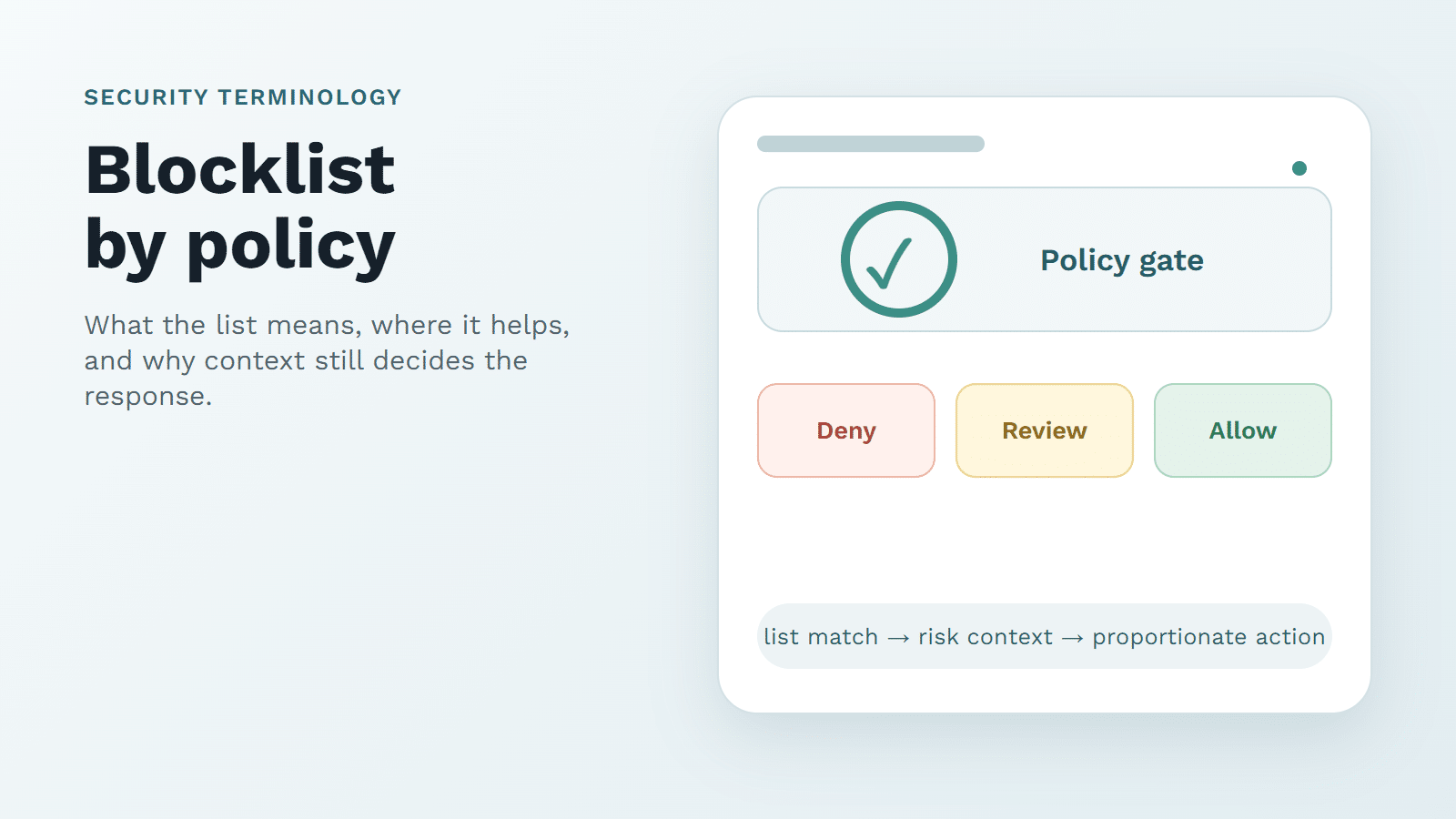
- Real-time automated decisions: allow, block, challenge, or log
- Rapid policy adjustments during traffic changes
- Alignment of security rules with business workflows
BRDE ensures spam prevention evolves as threats change.
3. Device Fingerprinting Intelligence
GeeTest identifies risky or manipulated devices used for spam attacks.
It detects:
- Emulators, VMs, and headless browsers
- Device spoofing attempts
- Device farms submitting repeated spam
- Suspicious browser automation tools
This prevents attackers from returning under new identities.
4. Seamless Integration & Flexible Deployment
GeeTest integrates with existing forms without heavy engineering work.
Benefits include:
- Web, mobile app, and server-side SDKs
- Visible, invisible, and fully automated verification modes
- Low-latency performance for high-traffic websites
Businesses gain strong protection with minimal user friction.
Conclusion
Form spam is more than a minor inconvenience—it disrupts business operations, corrupts data, and threatens security. By combining behavioral analysis, device intelligence, rule-based decisioning, and adaptive verification, enterprises can effectively prevent spam from entering their systems.
If your business wants to eliminate form spam and protect mission-critical workflows, GeeTest provides modern, AI-proof solutions built for today’s automated threats.