
CAPTCHA vs. reCAPTCHA—this comparison has evolved from a simple choice of “which puzzle to use” into a critical decision regarding a website’s security architecture and user experience. In 2026, the landscape is dominated by agentic AI that can bypass traditional barriers with ease. Choosing the wrong defensive layer today doesn’t just let in bots; poorly implemented CAPTCHA can lead to a significant drop in conversion rates.
The 30-Second Verdict: CAPTCHA vs. reCAPTCHA
For those needing an immediate decision in the CAPTCHA vs. reCAPTCHA debate, here is the 2026 industry consensus:
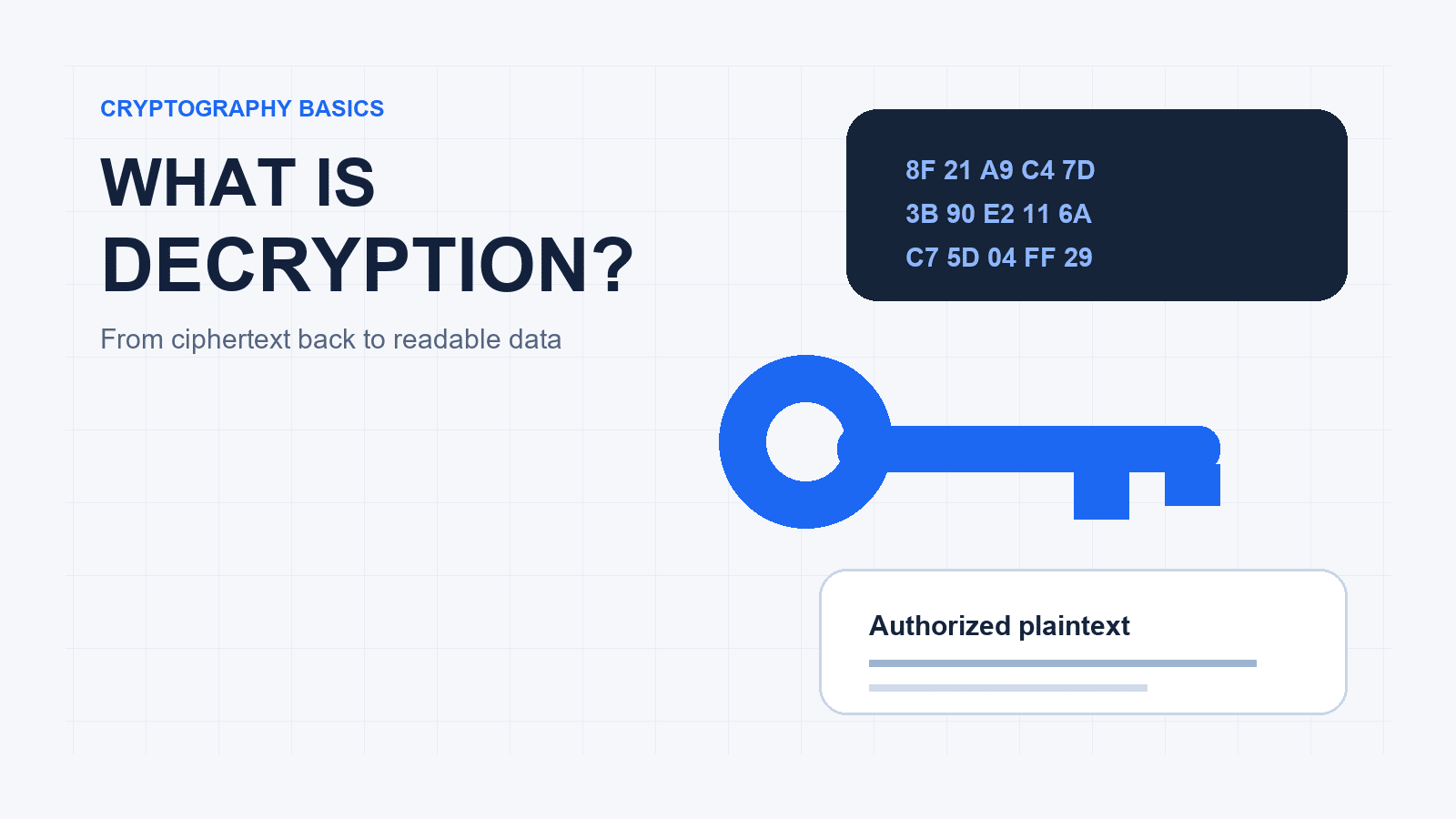
- Definition: CAPTCHA is the umbrella term for any “Completely Automated Public Turing test to tell Computers and Humans Apart.” reCAPTCHA is Google’s specific, data-centric implementation of this technology.
- The 2026 Shift: Static image-labeling and text-distortion puzzles are now 98% solvable by vision-based LLMs. Modern defense has pivoted toward passive behavioral analysis and hardware-level signals that bots cannot easily spoof.
- How to Choose: If your priority is a “free” and ubiquitous solution, reCAPTCHA remains the standard. However, if your business requires transparency, GDPR compliance, and adaptive protection without “black-box” scoring, dynamic enterprise-grade solutions are the superior choice.
To truly understand which shield your business needs, we must first look at how these two contenders stack up side-by-side in a direct technical comparison.
Head-to-Head: CAPTCHA vs. reCAPTCHA
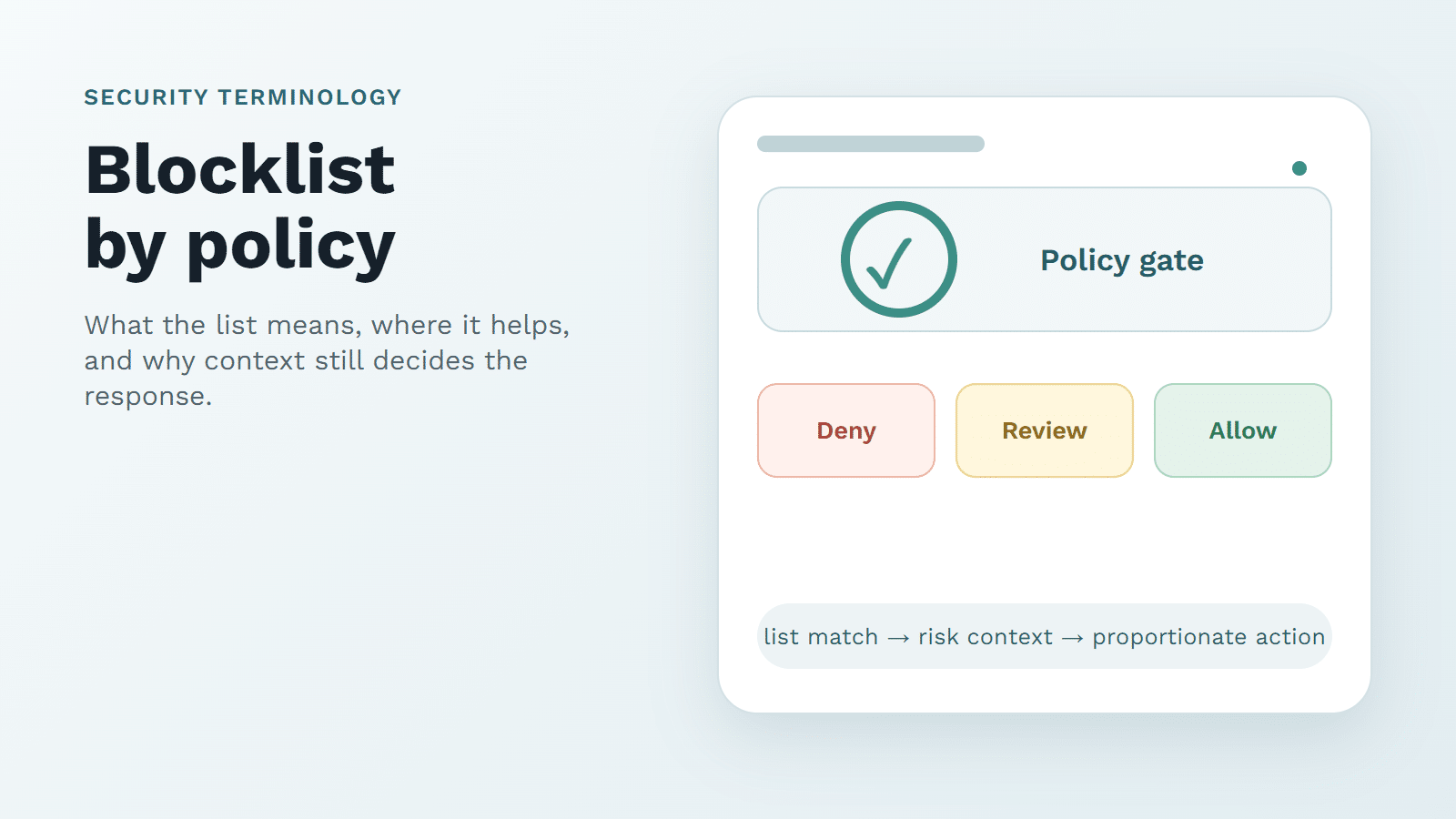
The primary distinction lies in their core philosophy. CAPTCHA is an open-ended technology category that traditionally relies on “Challenge-Response” (what the user can solve), whereas reCAPTCHA is a specific tool that relies on Google’s ecosystem. While traditional CAPTCHA set the stage for bot defense, Google’s reCAPTCHA ecosystem has bifurcated into various versions—each with its own trade-offs between security, user friction, and privacy.
| Feature | Traditional CAPTCHA | Google reCAPTCHA v2 | Google reCAPTCHA v3/Ent |
|---|---|---|---|
| Primary Logic | Static Puzzle (Text/Image) | Checkbox & Image Challenge | Invisible Risk Scoring |
| User Interaction | High Friction: Disruptive tasks for every user. | Medium Friction: “I am not a robot” click. | Zero Friction: Runs in the background. |
| Security Level | Low: Easily bypassed by modern Vision LLMs. | Moderate: Vulnerable to sophisticated CAPTCHA farms. | Moderate: Uses behavioral telemetry and ML. |
| Privacy Impact | Low: Usually self-hosted; minimal data collection. | Moderate: Tracks cookies and basic browser data. | High: Deep integration with Google’s data ecosystem. |
| Best Use Case | Legacy systems or ultra-simple low-risk forms. | Sites requiring an explicit “Human Action” gate. | High-traffic Enterprise apps and frictionless UX. |
Decoding CAPTCHA: The Legacy of the Turing Test
The journey of the “Completely Automated Public Turing test to tell Computers and Humans Apart” began as a response to the early 2000s surge in bot-driven spam. Developed by researchers at Carnegie Mellon University, the original goal was to create a “reverse Turing test”—a challenge that a human could pass in seconds but would remain “AI-Complete,” or unsolvable by machines.
For years, these distorted characters and fuzzy photos were the gold standard for web security, effectively turning millions of users into unwitting data-labelers for OCR software. However, as computing power scaled, these puzzles became a “speed bump” rather than a wall.
To explore the fascinating history and the scientific origins of these digital gatekeepers, refer to this detailed guide on the origin of CAPTCHA.
reCAPTCHA: Google’s Dominance and the Scoring Revolution

Google’s acquisition of reCAPTCHA in 2009 marked the beginning of the “Behavioral Era.” The evolution from the book-digitizing v1 to the iconic v2 “checkbox” changed the web. However, the true revolution arrived with v3 and reCAPTCHA Enterprise, which abandoned the “challenge-response” model entirely.
Instead of a one-time test, these versions utilize a continuous “Black Box” scoring system that analyzes user interaction across a site to predict malicious intent. While this provides a seamless experience, it requires a high degree of trust in Google’s data-handling practices and leaves developers with little visibility into why specific users are flagged as bots.
For a comprehensive breakdown of how Google’s system has evolved and its current technical capabilities, you can read more in this reCAPTCHA guide.
The 2026 Landscape: Is CAPTCHA still an effective tool to prevent bots and fraud?
The short answer is: “No” for legacy systems and a “Conditional Yes” for adaptive ones. We have entered the era of Agentic AI, where bots are no longer simple scripts but autonomous agents capable of semantic reasoning and neuromotor simulation. Even the reCAPTCHA v3/Enterprise is facing significant limitations as these AI-driven bots learn to “act human” at a fundamental level.
Why Traditional CAPTCHA is Failing?
Traditional, challenge-based CAPTCHA has shifted from being a security barrier to a mere speed bump for attackers.
- AI Solving Efficiency: Modern Multimodal Large Language Models (MLLMs) have rendered visual puzzles obsolete. Recent benchmarks show that AI-driven solver services now achieve a high success rate on common invisible reCAPTCHA challenges, completing them with an average latency that matches human response times.
- Structural Traffic Shift: According to the Thales 2026 Bad Bot Report, automated traffic now accounts for 58% of all internet traffic, with malicious bot activity outpacing human activity for the first time. This volume makes static puzzles an ineffective deterrent against high-velocity, automated attacks.
- The UX-Security Paradox: To remain “unsolvable” for AI, puzzles have become so distorted that they alienate human users. Research indicates that the “stealth tax” of high-friction CAPTCHAs can lead to an 8.5% invalid traffic rate appearing as legitimate engagement, clouding business metrics.
The Limits of reCAPTCHA in the Agentic Age
While reCAPTCHA v3 and Enterprise initially promised an “invisible” shield, the 2026 threat landscape has exposed critical vulnerabilities in Google’s proprietary model:
- Behavioral Mimicry & Neuromotor Jitter: In 2026, malicious bots have evolved into “AI Agents” that no longer just scrape data but simulate life. According to the 2026 Imperva Bad Bot Report, automated traffic has officially overtaken human activity, accounting for 53% of all web traffic. These advanced bots utilize AI-driven neuromotor simulation to mimic human mouse fluctuations and typing rhythms, effectively spoofing the behavioral telemetry reCAPTCHA v3 uses to assign high “human” scores.
- The “Ecosystem Lock-in” & Cost: To achieve effective protection, reCAPTCHA Enterprise often necessitates deep integration with Google Cloud Platform (GCP). This creates a strategic “Ecosystem Lock-in” where businesses become overly dependent on a single vendor.
- The Privacy-Transparency Gap: reCAPTCHA operates as a “Black Box,” offering little visibility into why users are flagged. As Forrester highlights the critical importance of data privacy and transparent AI in 2026, the tracking-heavy nature of reCAPTCHA faces increasing friction with global regulations like GDPR and CCPA.
- Direct API Vulnerability: The frontend “invisible” check is becoming irrelevant for sophisticated attackers. Data shows that 27% of advanced bot attacks now target API endpoints directly, bypassing the browser UI entirely. For these machine-to-machine attacks, reCAPTCHA’s client-side behavioral scoring provides no protection, leaving the core business logic exposed.
Which Should You Consider for Business in 2026?
The harsh reality of 2026 is that any static or “closed-loop” security measure is a target for AI optimization. CAPTCHA remains the most time-tested and cost-effective gatekeeper in a multi-layered defense strategy, but its value no longer lies in being an “unsolvable puzzle.” Instead, the industry now demands a transparent, flexible, and adaptive solution. Users and businesses alike require a system that doesn’t just provide a “Black Box” score but offers a dynamic response that can be tuned to the specific risk profile of each transaction.
When evaluating your options in the CAPTCHA vs. reCAPTCHA debate—or considering a third-party alternative—you should prioritize these four critical pillars:
Adaptive Protection (The “White-Box” Edge)
The most resilient defenses in 2026 are not static walls but adaptive environments that utilize explainable strategies to analyze risk.
Modern security demands a “White-Box” edge where platforms provide transparent decision-making logic, allowing security teams to understand exactly why a user was flagged. This transparency is no longer optional; it is a prerequisite for regulatory compliance and enterprise accountability, enabling businesses to adjust their security postures in real-time without sacrificing user trust or being locked into opaque scoring systems that offer no path for remediation.
Vertical Expertise & Professional Support
Bot attacks wait for no one, making a dedicated vertical service essential for enterprises that lack a consolidated security ecosystem like Google Cloud or Cloudflare. While generic “single-product” solutions often offer little more than a script, a professional CAPTCHA provider offers a partnership with a dedicated technical team.
As Gartner’s 2026 strategic trends indicate, the rise of multi-agent systems requires security that is integrated into a broader WAAP (Web Application and API Protection) architecture. You need a partner that offers 24/7 “Human-in-the-Loop” support to analyze sudden traffic spikes and respond to zero-day bot signatures.
Deployment Experience & Scenario Adaptation
A common mistake is deploying a “one-size-fits-all” solution that fails to account for the unique characteristics of different business flows.
To ensure long-term stability, a defense system must be capable of scenario-based adaptation—differentiating between a high-stakes payment gateway, a sensitive login portal, and a high-traffic promotional event. Your provider should offer a proven track record of adapting challenges to your specific industry (e.g., E-commerce vs. SaaS), ensuring that the defense logic is optimized for the platform it is protecting, whether it be Web, App, or API environments.
User Experience (UX) as a Strategic Conversion Tool
According to research from the Baymard Institute, friction in the verification process remains one of the leading causes of user frustration and cart abandonment.
To protect your revenue, prioritize solutions that utilize passive detection first, only triggering a visible challenge when the risk score exceeds a specific threshold. This “silent guardian” approach ensures that your conversion funnels remain open for business while effectively filtering out automated threats.
Future of CAPTCHA: Toward Intelligence and Transparency
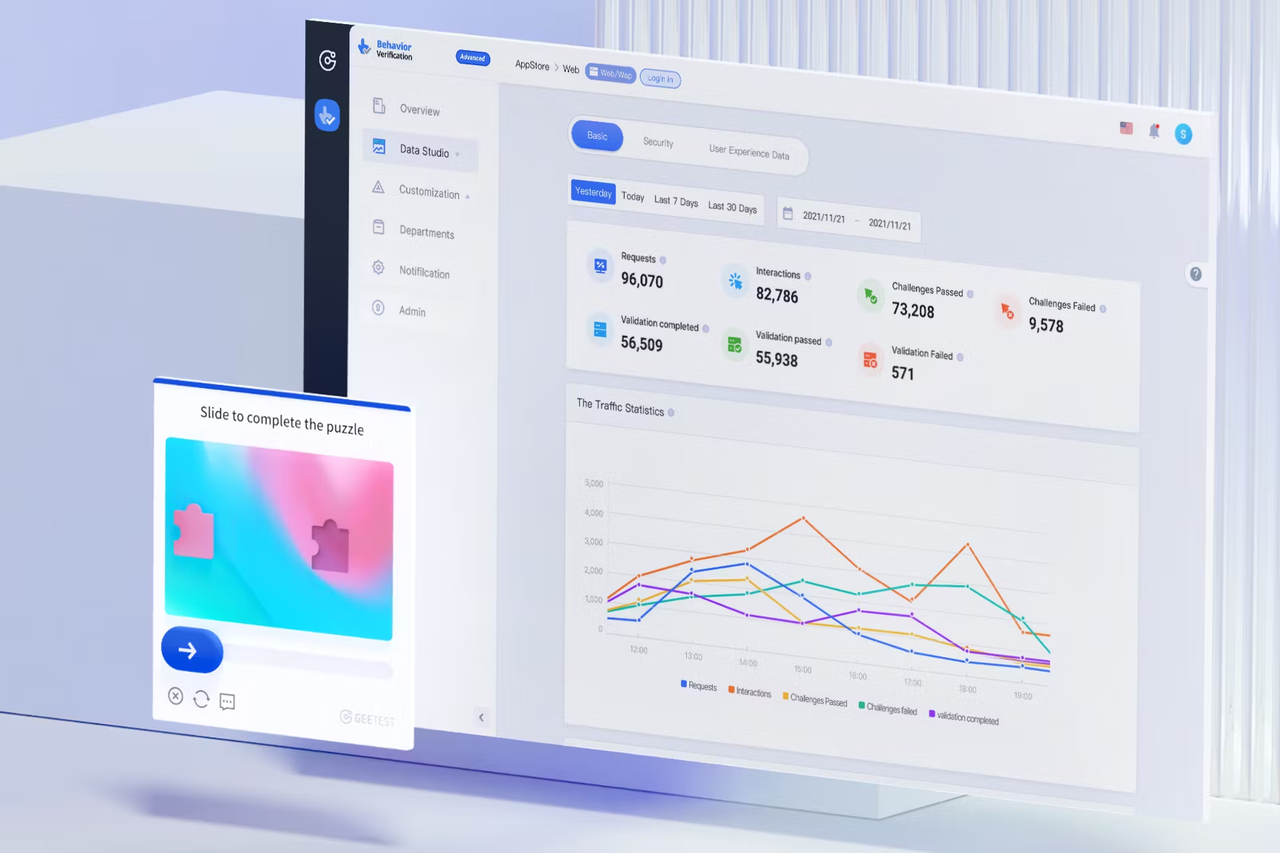
The future of CAPTCHA lies in the fusion of Hardware Attestation and Behavioral Biometrics. We are moving toward a world where your device’s “Secure Enclave” proves your identity before you even move your mouse. However, as AI continues to evolve, the most successful defenses will not be those that build the tallest walls, but those that create the most intelligent, transparent, and user-friendly gatekeepers.
For businesses that require this level of adaptive, white-box protection combined with world-class enterprise support, GeeTest CAPTCHA has emerged as a leading contender in the 2026 market. By balancing sophisticated AI behavioral modeling with a deep commitment to user experience and regional compliance, it offers a powerful alternative to the “black-box” limitations of legacy systems. Ultimately, the best defense is one that doesn’t just stop bots, but actively helps your business grow.
FAQ
1. How does Agentic AI change the “CAPTCHA vs. reCAPTCHA” debate in 2026?
In 2026, bots are no longer scripts; they are Autonomous Agents that mimic human reasoning and neuromotor patterns. While reCAPTCHA relies on its massive data ecosystem for scoring, specialized CAPTCHAs focus on White-Box behavioral analysis. The choice now hinges on whether you want a “Black Box” score from a cloud giant or transparent, explainable defense logic.
2. Is reCAPTCHA’s “Invisible” approach still effective against 2026 bots?
It is facing a “Mimicry Crisis.” Modern bots use AI-driven jitter models to spoof the mouse movements and rhythms that reCAPTCHA v3 uses to identify humans. Without the “White-Box” transparency to see why a score was assigned, enterprises often find themselves unable to stop these human-mimicking agents without accidentally blocking real customers.
3. Why is “Ecosystem Lock-in” a concern when choosing a shield?
Choosing reCAPTCHA Enterprise often requires deep integration with Google Cloud (GCP). For many businesses, this leads to a “Bot Tax”—as AI attack volumes surge, your security costs scale exponentially within a single ecosystem. A vertical, independent CAPTCHA provider allows you to maintain a flexible, best-of-breed security stack without being tied to a specific cloud provider’s pricing.
4. How do I balance Agentic AI defense with 2026 UX standards?
The goal is Scenario-Based Adaptation. Instead of one-size-fits-all security, your shield should use “Passive Detection” to stay invisible during low-risk sessions and only deploy dynamic, AI-resistant challenges when an Agentic AI pattern is detected. This ensures that your conversion funnels remain open while your “Secure Enclave” stays protected.